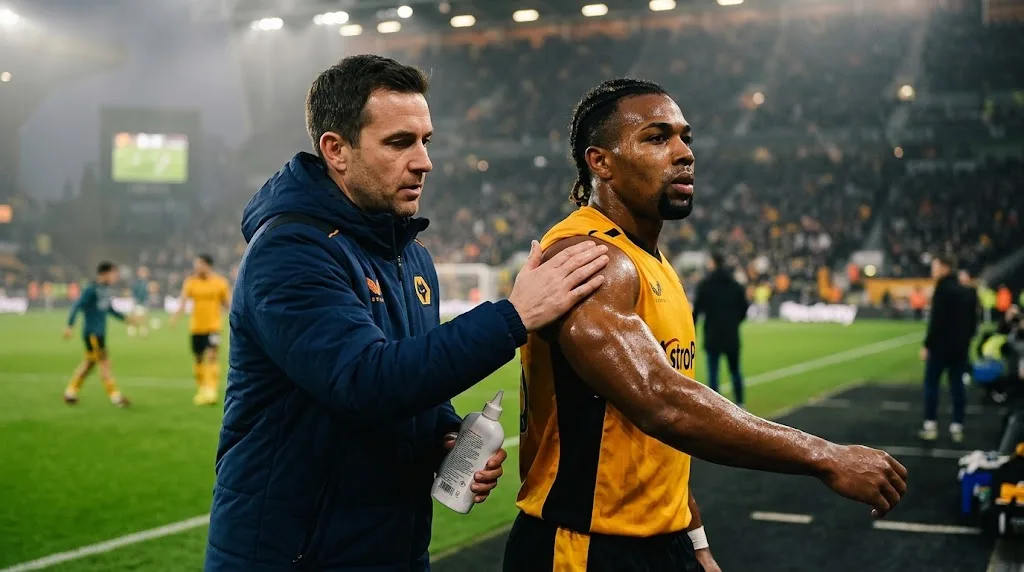
A Wolverhampton Wanderers medical trainer squeezed a bottle of Johnson’s baby oil and rubbed it hard across Adama Traoré’s massive arms. Under the bright stadium lights of Molineux, the thick liquid made the winger’s skin shine like wet marble. The sweet smell of nursery lotion drifted into the chilly night air as players walked onto the pitch.
Supporters in the stands rubbed their eyes in disbelief at the shiny spectacle. It looked like an Olympic bodybuilder had walked into a Premier League match by mistake.
Adama did not smile or wipe the grease away. He simply stretched his neck, listened for the referee’s whistle, and prepared to run at full speed.
Modern football had never seen an athlete with a body quite like Adama Traoré. He looked like an NFL running back who had wandered onto a football pitch, yet his footwork stayed as smooth as silk.
During his breakout seasons at Wolves, stopping him legally became an impossible nightmare for defenders. Fullbacks knew that giving him two yards of space meant they would only see the back of his shirt.
Opposing teams tried pressing him in packs, blocking his runs, and kicking his shins. None of those tactics worked because his raw power pushed right through their shoulder barges.
Out of pure panic, defenders started grabbing whatever they could reach to slow him down. When an attacker is faster than everyone else, desperate defenders often cross the line into dangerous fouls.
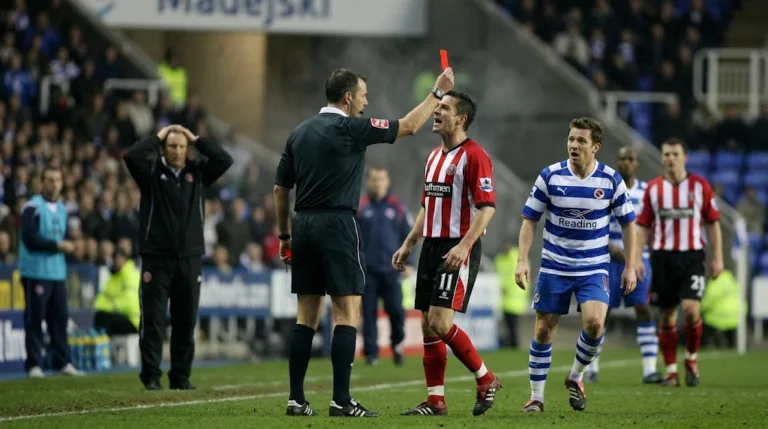
The English top flight has always had moments of total chaos, much like Keith Gillespie’s instant red card madness showed fans years ago. But defenders facing Adama were not trying to fight; they were just trying to survive his speed.
Opponents began treating his arms like handles on a subway train. Every time he blasted past a defender on the wing, a fist grabbed his wrist or tugged his forearm.

That pulling force created a hidden medical danger for the Spanish winger. Because he ran at nearly twenty-three miles per hour, a sudden jerk on his arm acted like a violent lever on his joints.
The boiling point arrived in a brutal home clash against Tottenham Hotspur in December 2019. Adama darted past Jan Vertonghen on the touchline, and the Belgian defender grabbed his arm to stop the break.
A sickening pop echoed in Adama’s upper body as his shoulder popped clean out of its socket. The winger fell to the grass in agony, holding his side while the medical staff rushed onto the field.
The medical team popped the joint back into place, but the structural damage was already done. Once a shoulder slips out of its socket, the ligaments stretch and make another dislocation far more likely.
Over the next few months, the exact same injury happened three more times. Matches against Sheffield United and Manchester United turned into painful medical emergencies because rivals kept tugging on his injured joint.
Wolves manager Nuno Espírito Santo watched his star attacker suffer every single weekend. Rivals realized that if they grabbed Adama’s arm during a physical battle, his body would give out before the referee could even blow the whistle.
Surgeons told the club that Adama needed a major operation to tighten the loose shoulder ligaments. However, going under the knife meant missing four to six months of competitive football during an intense push for European qualification.
The Wolves medical department refused to let their star winger sit out the rest of the season. Strange problems in sports often call for clever tricks, just like the bizarre Barbados double net defense that shocked the Caribbean decades earlier.
Instead of rewriting tactics, the Wolves staff turned to basic schoolyard science. A team doctor realized that defenders could only hurt Adama’s shoulders if their fingers could grip his skin.
If they took away that grip, the dangerous pulling force would disappear completely. The medical staff drove to a local supermarket, bought several bottles of baby oil, and brought them straight into the Molineux locker room.
Before the next kickoff, trainers slathered thick layers of baby lotion across Adama’s shoulders, biceps, and forearms. The room smelled like a nursery, but the muscular winger was now completely frictionless.
The experiment worked better than anyone imagined from the very first minute of play. Fullbacks reached out to grab him as he sprinted by, but their fingers slid off his arms like butter on a hot pan.
Many players use sneaky gamesmanship to trick referees, such as Deyverson’s dramatic tumble after a referee tap in South America. Adama never looked for drama; he simply needed a slippery shield so he could play without fear.
The routine quickly became a permanent ritual before every match and during every half-time break. Wolves staff members stood near the tunnel with squeeze bottles ready, rubbing his arms whenever the grease rubbed off on opponent jerseys.
Referees took notice and questioned the slimy coating during tunnel inspections. However, match officials found nothing in the rulebook banning baby oil, because it gave no advantage in kicking or passing the ball.
Opposing defenders openly admitted how annoying the oily barrier was to play against. They could not wrap their fingers around his arms, leaving them with nothing to grab except thin air and grease stains.
Traoré continued the baby oil routine even after moving on to Barcelona and Fulham. What began as a desperate locker-room hack became his world-famous signature style on television screens across the globe.
Modern football teams spend millions of pounds on GPS trackers, ice baths, and special diets. Yet, the smartest piece of armor in Premier League history came from a cheap bottle of baby oil bought off a supermarket shelf.

Callum Mercer is a football journalist and digital editor specializing in long-form features, human-interest narratives, and regulatory shifts across European and world football. With nearly a decade of experience tracking player journeys from lower-league academies to continental tournaments, Callum focuses on primary-source reporting, tactical context, and the untold stories behind the matchday headlines.