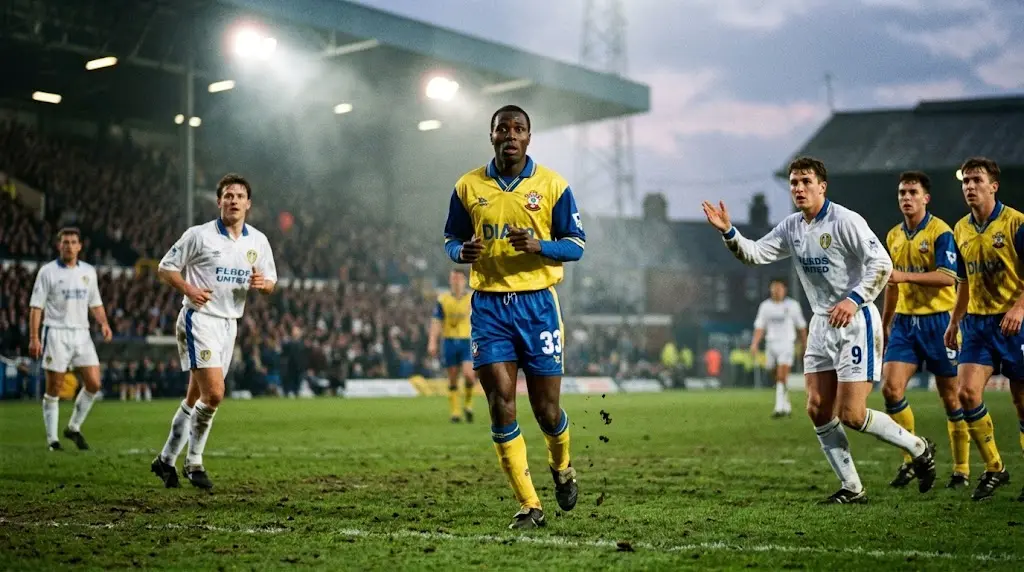
Thirty-two minutes into the match at The Dell, Matt Le Tissier pulled up clutching his leg. Southampton fans fell silent as their club captain and star playmaker signaled toward the bench that he could not continue. Manager Graeme Souness looked down his dugout and called for the only forward he had left.
A tall striker wearing the number thirty-three shirt ripped off his yellow jacket and tied his boots. His name was Ali Dia, and he had only arrived at the club two days earlier. Even the players sitting right beside him on the bench had no idea where he came from.
Dia ran onto the grass against Leeds United with his socks pulled high and his eyes wide. The crowd cheered politely, hoping this new signing would save their season. Nobody in the stadium realized they were watching the wildest trick ever pulled on English football.
Southampton entered that November afternoon trapped near the bottom of the Premier League table. Injuries had wiped out their forward line, leaving Souness desperate for goals to survive the harsh winter months. Every point mattered, and the pressure on the manager was growing heavier with each passing week.
In 1996, football was a completely different world without internet databases or video streaming. Managers could not open an app on their phones to check a player’s career statistics or watch his recent highlights. If an agent or club official called with a hot tip, managers had to rely on telephone conversations and old fax machines.
The sport was full of strange surprises during that chaotic decade. Fans were already used to madness, just like the afternoon when a weird rule forced defending both nets in 1994 during a Caribbean Cup match. Yet nothing in the rulebook could prepare Southampton for what was about to happen on their own pitch.
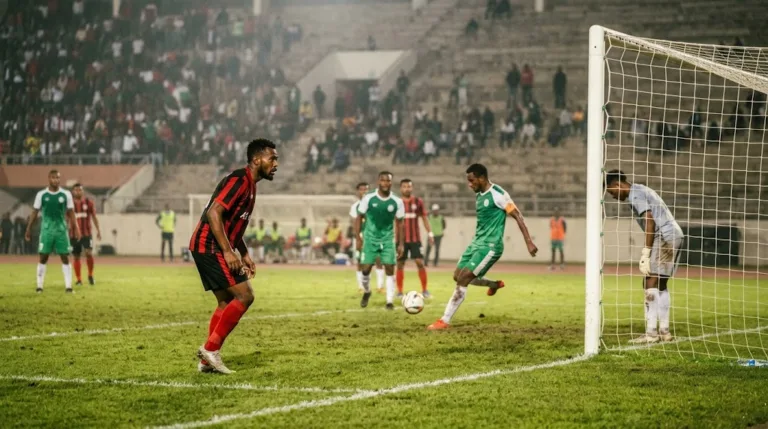
The setup began just a few days before the Leeds game with a simple telephone ring. Souness picked up the phone in his office, and the man on the other end spoke with smooth authority. The caller claimed to be George Weah, the famous AC Milan superstar who had won the Ballon d’Or and FIFA World Player of the Year.
The fake Weah told Souness that his cousin, Ali Dia, was looking for a new club in England. He claimed Dia had played for Paris Saint-Germain, scored goals for the Senegal national team, and was ready to star in the Premier League. Souness believed the voice, picked up his pen, and offered the unknown striker a one-month contract without checking with AC Milan.
In truth, the real George Weah was in Italy and had no clue who Ali Dia was. The man on the phone was actually an old college friend who helped Dia pitch himself to clubs across England. Before landing in Southampton, Dia had already failed trials at modest teams like Gillingham and was playing amateur weekend matches for Blyth Spartans.
Unlike true rags-to-riches stories like Carlos Bacca’s journey from driving buses to lifting European trophies, Dia did not climb the football ladder through hard work and goals. Instead, he simply walked right through the front door using a fake identity and a lot of confidence. Souness planned to test him in a private reserve match, but heavy rain flooded the pitch and forced the game to be canceled.
With no match film and only one light training session on muddy grass, Souness took a wild gamble. He placed Dia on the first-team bench against Leeds United because he had no other fit attackers. Dia probably thought he would just watch the match, collect his wages, and slip away quietly.
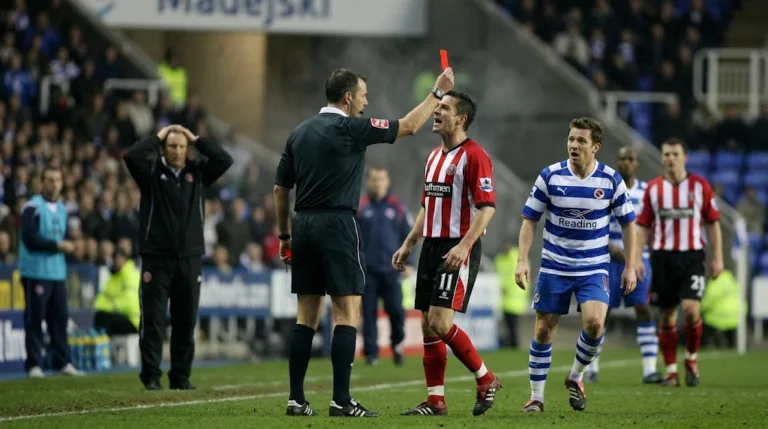
Then Le Tissier’s muscle tore, and Dia was thrust under the bright stadium floodlights. His first touch was a wild bounce that flew ten yards away from his boot. Within five minutes, both sets of players realized that something was horribly wrong with the new Southampton striker.
Dia chased the ball like a child playing in a schoolyard at lunch break. He ran into spaces where the ball had already been, collided with his own teammates, and constantly lost his balance on the wet turf. Watching him try to keep up with top-flight defenders was painful and hilarious at the same time.
Le Tissier sat on the bench with an ice pack on his leg and could not believe his eyes. He later joked in interviews that Dia ran around the pitch like “Bambi on ice.” The Leeds defenders did not even need to tackle him because he kept passing the ball out of bounds all by himself.
Early in the second half, Dia actually managed to take a clean shot toward the Leeds goal. The goalkeeper pushed the weak effort away easily, and that single kick ended Dia’s brief moment of glory. After fifty-three minutes of watching the disaster unfold, Souness could not take the embarrassment any longer.
The manager signaled to the fourth official and pulled Dia off the pitch to replace him with defender Ken Monkou. It was one of the quickest and most humiliating substitutions the league had ever seen, right up there with Keith Gillespie’s zero-second red card for sheer shock value. Dia hung his head, walked slowly past Souness without making eye contact, and disappeared down the dark tunnel.
When the final whistle blew and Southampton lost two-nil, the players went into the dressing room expecting to question their strange new teammate. Dia’s locker was empty, and his bag was already packed. He had slipped out into the cold night before the coaches even finished their post-match team talk.
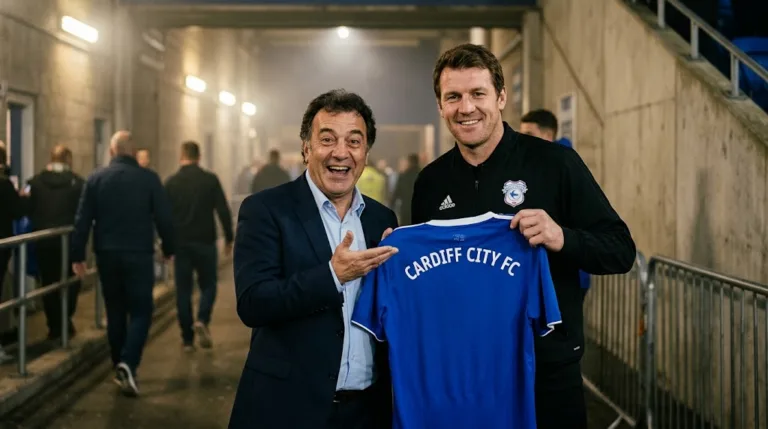
The next morning, hotel staff called Southampton to report that Dia had checked out early and left an unpaid room service bill. Souness immediately tore up the player’s short-term contract, while journalists rushed to find out who had actually played in the game. Phone calls to the Senegalese football federation confirmed what everyone feared: Ali Dia had never played for his country in his life.
For years, Dia remained a ghost in football folklore, with fans constantly debating where the fake striker had vanished. Journalists eventually tracked him down decades later, discovering that he had earned a university business degree in England and moved to America with his family. He rarely spoke to the media, preferring to let the legendary afternoon speak for itself.
Graeme Souness won European Cups as a player and managed some of the biggest clubs in the world, but he could never erase those fifty-three minutes. For one rainy afternoon, a normal amateur player tricked a football giant and shared a pitch with Premier League royalty. Millions of fans dream about playing in the top division, but Ali Dia was bold enough to steal that dream in broad daylight.

Callum Mercer is a football journalist and digital editor specializing in long-form features, human-interest narratives, and regulatory shifts across European and world football. With nearly a decade of experience tracking player journeys from lower-league academies to continental tournaments, Callum focuses on primary-source reporting, tactical context, and the untold stories behind the matchday headlines.