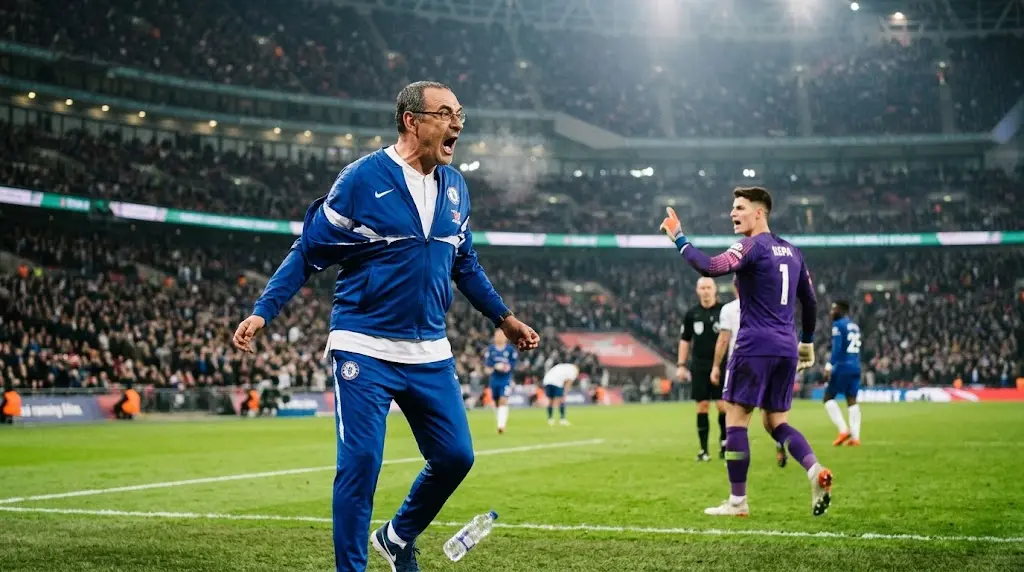
The electronic board lit up red with number one in the 119th minute of the Carabao Cup final. Chelsea manager Maurizio Sarri stood on the Wembley sideline, pointing toward the bench where Willy Caballero waited with his gloves on. Out on the grass, twenty-four-year-old goalkeeper Kepa Arrizabalaga stared back at his manager and wagged his finger.
Kepa shouted “No!” across the pitch while waving his arms in furious protest. He refused to walk toward the sideline, turning his back on his own coaching staff. Over 81,000 fans inside Wembley fell quiet as Manchester City players watched in utter disbelief.
Down on the touchline, Sarri lost all control of his emotions. The Italian manager screamed into the cool London air and ripped open his blue Chelsea tracksuit jacket. He kicked a plastic water bottle against the dugout wall before marching angrily toward the dressing room tunnel.
Chelsea defender Antonio Rudiger had to run over to stop his manager from storming into the locker room. The final whistle had not blown yet, but Chelsea looked like a team torn apart in public view. It was an unprecedented act of open defiance that live television cameras broadcast to millions around the globe.
To understand the explosion at Wembley, you have to look at the pressure surrounding Chelsea in February 2019. Sarri was fighting to keep his job after critics spent months attacking his stubborn tactical style. Just two weeks earlier, Pep Guardiola’s Manchester City had crushed Chelsea 6-0 in a brutal Premier League humiliation.
Chelsea had spent a world-record fee of seventy-one million pounds to buy Kepa from Athletic Bilbao the previous summer. The young Spanish goalkeeper carried huge expectations as the most expensive shot-stopper on the planet. Sarri needed a trophy to save his project, while Kepa felt determined to prove his worth on the biggest stage.
The tactical battle that Sunday afternoon was fierce, physical, and surprisingly disciplined. Chelsea defended with grit, shutting down Sergio Aguero and Kevin De Bruyne for nearly two hours of scoreless football. But as the clock ticked toward penalties, Kepa went down twice clutching his hamstring.
Sarri turned immediately to thirty-seven-year-old Willy Caballero, an experienced goalkeeper who had saved three penalties for Manchester City to win this same trophy in 2016. Caballero knew every City shooter’s penalty habits inside and out. The tactical substitution made total sense, but Kepa saw it as an insult to his fitness.
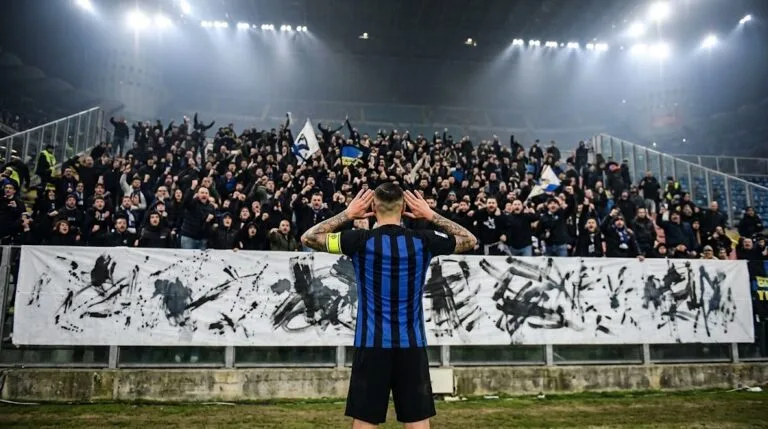
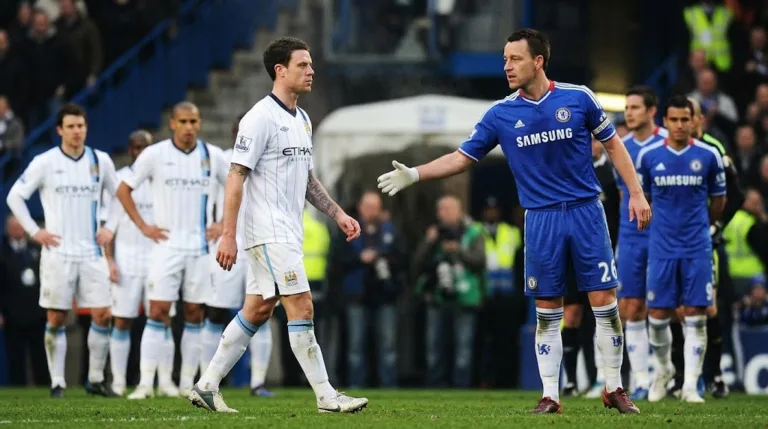
Football history holds rare moments where internal team discipline collapses in full public view. English football had seen strange blowups before, including Roberto Mancini’s training ground clash with Mario Balotelli during their stormy title chase. Yet this moment felt even more dangerous because it happened during a live cup final with silverware on the line.
Referee Jonathan Moss found himself caught between an angry young goalkeeper and a furious bench. Moss walked toward Kepa to ask if he was genuinely refusing to leave the pitch. Kepa insisted he was fully fit and simply wasting time to help his team reach the penalty shootout.
David Luiz walked over to whisper into Kepa’s ear, later revealing that he told his goalkeeper to respect the coach’s decision. But Kepa would not budge an inch, continuing to signal that his medical cramp was gone. Moss could not force a player off the field against his will under international football laws.
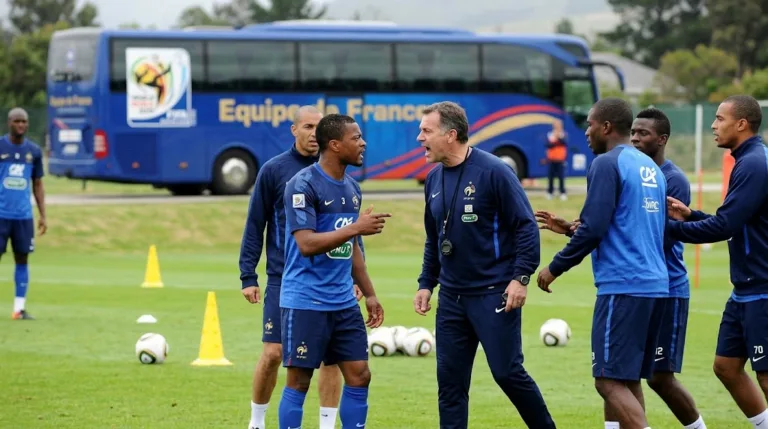
The match officials had no choice but to let Kepa stay in goal. Caballero stood frozen on the sideline, taking off his gloves with an expression of quiet shock. The scene mirrored famous football rebellions, echoing the sheer dysfunction of France’s infamous World Cup squad strike where players chose open defiance over team duty.
When the final whistle blew for penalties, the Chelsea huddle looked fractured and uneasy. Sarri paced back and forth near the dugout, refusing to speak directly with his goalkeeper. City players gathered tightly together in a warm embrace, sensing that their opponents were mentally defeated.
Kepa did manage to save a penalty from Leroy Sane during the shootout. However, he allowed an easy, slow shot from Sergio Aguero to squirm under his body into the net. Manchester City won the shootout 4-3, celebrating wildly while Chelsea players walked off with their heads hanging low.
Inside the post-match press conference, Sarri tried to put out the raging media fire. He claimed the entire scene was merely a big misunderstanding about Kepa’s physical fitness. The Italian told reporters he thought Kepa had an injury, only realizing too late that the goalkeeper was fine to continue.
Behind closed doors, the mood was far less forgiving. Chelsea management quickly stepped in to protect club discipline by fining Kepa one week of his wages, totaling roughly two hundred thousand pounds. The tension recalled high-profile dressing room blowups, such as Sadio Mane’s dressing room punch on Leroy Sane after a difficult European defeat.
Sarri punished Kepa by dropping him to the bench for Chelsea’s next Premier League clash against Tottenham Hotspur. Caballero kept a clean sheet in a 2-0 victory, showing total professionalism despite being humiliated at Wembley. Kepa returned later that season, helping Chelsea win the Europa League final in Baku before Sarri departed for Juventus.
Years later, Kepa wrote a candid essay in The Players’ Tribune to explain his side of that afternoon. He admitted that his body language looked terrible and that waving off his manager was a major error in judgment. He explained that he only wanted to show he was healthy, not disrespect the man leading the team.
The incident remains one of the most unforgettable moments in modern English football. It stands as a vivid lesson on how quickly pride can destroy team unity under the bright lights of a stadium. When a player puts his own ego above his manager’s call, the entire team pays the price.
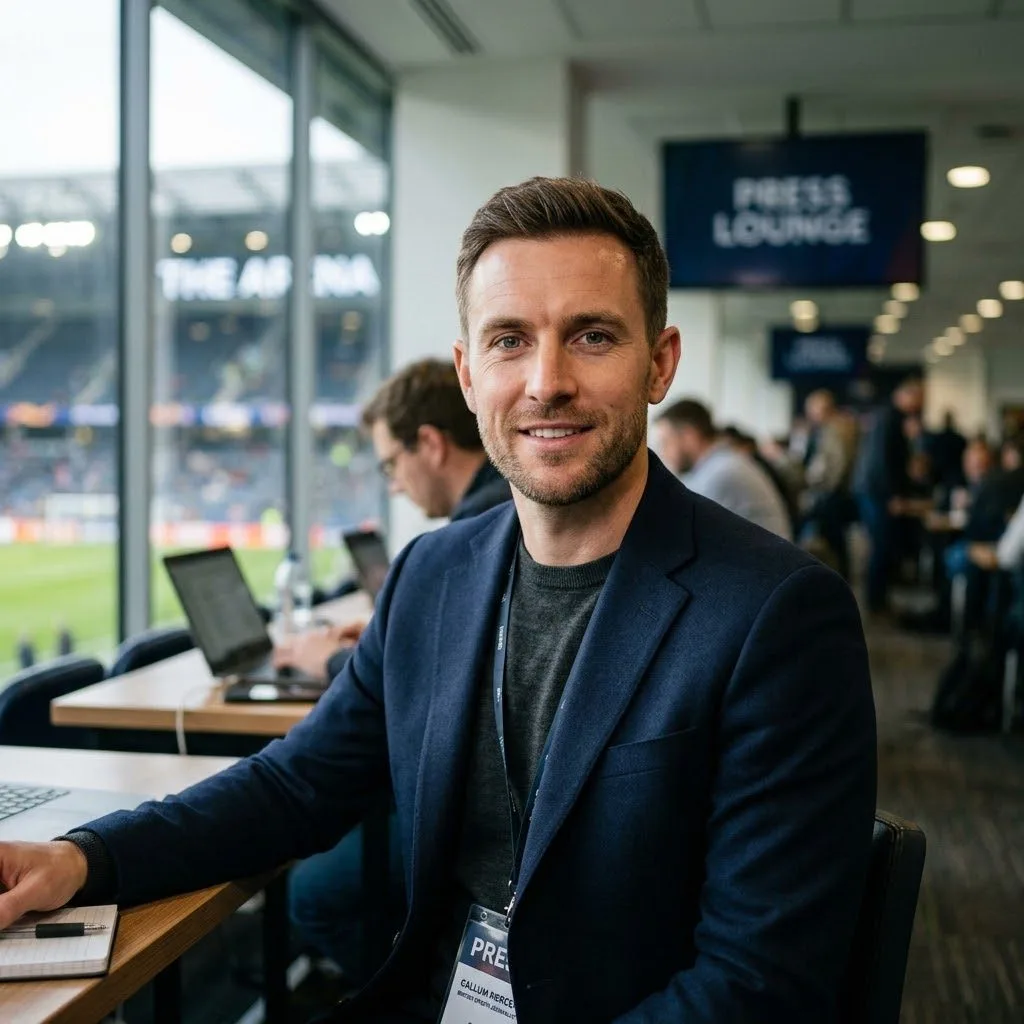
Callum Mercer is a football journalist and digital editor specializing in long-form features, human-interest narratives, and regulatory shifts across European and world football. With nearly a decade of experience tracking player journeys from lower-league academies to continental tournaments, Callum focuses on primary-source reporting, tactical context, and the untold stories behind the matchday headlines.