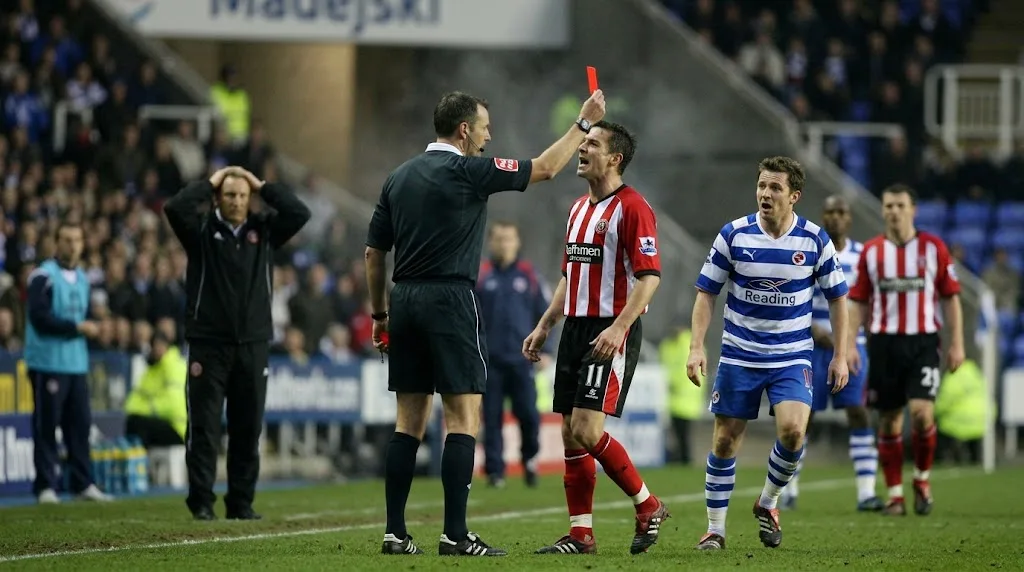
The referee blows his whistle to stop play for a throw-in. Sheffield United manager Neil Warnock turns to his bench. His team is losing 2-0 against Reading at the Madejski Stadium, and the clock shows 54 minutes.
Warnock needs a spark. He calls up Keith Gillespie, a fast Northern Irish winger with years of top-flight experience.
Gillespie strips off his training top. He replaces defender Derek Geary and jogs through the cold January air onto the pitch.
He takes five quick strides across the touchline. He does not even look at the ball.
Reading midfielder Stephen Hunt steps right into his path. Hunt grabs a fistful of Gillespie’s red-and-white jersey to block his run.
Gillespie does not pull away. He does not complain to the referee.
Instead, his right arm swings back and lashes forward. His forearm lands squarely against Hunt’s jaw.
Hunt drops to the grass. The home crowd gasps.
Referee Mark Halsey reaches straight into his pocket. The bright red card shoots into the air.
Gillespie has not kicked the ball. The throw-in has not been taken. The official Premier League match clock still reads zero seconds of active playing time.
Backs Against the Wall
To understand why Keith Gillespie snapped so quickly, you have to look at the pressure boiling inside that stadium.
The date was January 20, 2007. Sheffield United were locked in a desperate Premier League relegation dogfight.
Every single point was life or death for the club. Survival meant pride, millions of pounds, and another year at the top level. Going down meant financial disaster.
Warnock had built the Blades on grit, discipline, and endless fight. They did not have the big budgets of Chelsea or Manchester United, so they had to scrap for every ball.
Keith Gillespie was supposed to be the cool head in the squad. He had grown up at Manchester United in the famous Class of ’92 alongside David Beckham and Ryan Giggs.

He had starred on huge European nights for Newcastle United. At 31 years old, he was an experienced international who knew how to handle intense pressure.
Yet this afternoon was slipping completely out of United’s control. Reading were playing fast, physical football and had already scored twice.
To make matters worse, Reading’s Stephen Hunt was one of the most controversial players in English football.
Just three months earlier, Hunt had collided with Chelsea goalkeeper Petr Cech, leaving the keeper with a fractured skull. Opposing crowds booed Hunt wherever he played.
Sheffield United’s players were already on edge. When Hunt grabbed Gillespie’s shirt before the ball was even thrown into play, a fuse blew in Gillespie’s head.
The Red Mist Explodes
The entire incident took less than twelve seconds in real time. But in the official record books, the game had never restarted.
When a substitution happens before a throw-in, the clock does not run until the ball enters play. Because the thrower was still holding the ball, zero seconds had officially ticked away.
As referee Mark Halsey pointed Gillespie toward the tunnel, the chaos exploded.
Hunt was rolling on the grass, but as Gillespie stood over him, Hunt looked up. A grin spread across the Reading player’s face.
Seeing Hunt smile broke whatever little patience Gillespie had left.
“For the sending-off, it was a case of catching him with an outstretched arm,” Gillespie later explained to reporters. “I was very unhappy with his reaction. He thought about staying on his feet, then went down in slow motion.”
The reaction from Hunt pushed him over the edge.
“What happened after that really brought the red mist down,” Gillespie admitted. “I saw him smiling and laughing at me getting a red card, and I was so angry I pushed him in the face.”
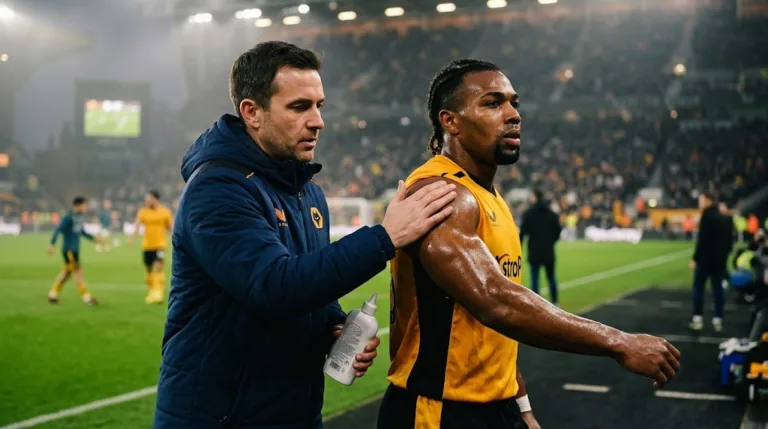
Gillespie shoved Hunt’s face with both hands right in front of the match officials.
By now, the touchline was in full meltdown.
Reading coach Wally Downes charged out of his technical area. He sprinted toward Neil Warnock, accusing the Sheffield United manager of telling his players to break legs.
Warnock fired back instantly, calling the accusation total garbage. Security guards and coaches scrambled to separate the two screaming benches.
Halsey had to halt the game completely. He marched across the grass and sent both Warnock and Downes off to the stands.
Gillespie finally turned and walked into the tunnel. He had spent less than twenty seconds on the pitch and caused an absolute riot.
The Cost of Losing Control
Inside the quiet dressing room, the fury faded fast. Reality hit Keith Gillespie hard.
He sat on the bench alone with clean boots and dry shorts. His afternoon was finished before he even touched the grass with his studs in active play.
Out on the pitch, his ten teammates had to run themselves into the ground. Sheffield United managed to pull one goal back, but Reading comfortably finished the match with a 3-1 victory.
After the match, Warnock offered no protection to his veteran winger.
“Keith said that he’s just come on and he’s had hold of his shirt,” Warnock told Sky Sports. “It’s a sending off in anyone’s book, so he’s let everyone down and he knows that.”
The Football Association gave Gillespie an automatic three-match ban for violent conduct, with extra games added for his push on Hunt afterward.
He also forfeited his match appearance bonus and took a heavy fine from the club.
“I know I shouldn’t have done it,” Gillespie said. “The manager Neil Warnock let me know about it. I apologised and it was soon forgotten.”
Except football history never forgot.
Four months later, Sheffield United were relegated from the Premier League on the final day of the season. They went down on goal difference by a single goal.
Every dropped point, every suspension, and every reckless mistake suddenly carried unbearable weight.
Gillespie enjoyed a long, respected career, making over 400 professional appearances and earning 86 caps for Northern Ireland. He later wrote a candid autobiography detailing his life on the pitch and his private battles.
Yet across the football world, fans still remember him for those wild moments in Berkshire.
Other players have earned rapid red cards. Steven Gerrard lasted 38 seconds against Manchester United in 2015. Dave Kitson lasted 37 seconds for Reading in 2007.
Nobody, however, will ever beat Keith Gillespie’s record. You cannot get sent off any faster than zero seconds.
It stands as a stark lesson in the top flight: in football, letting your temper slip for a single second can undo years of hard work.
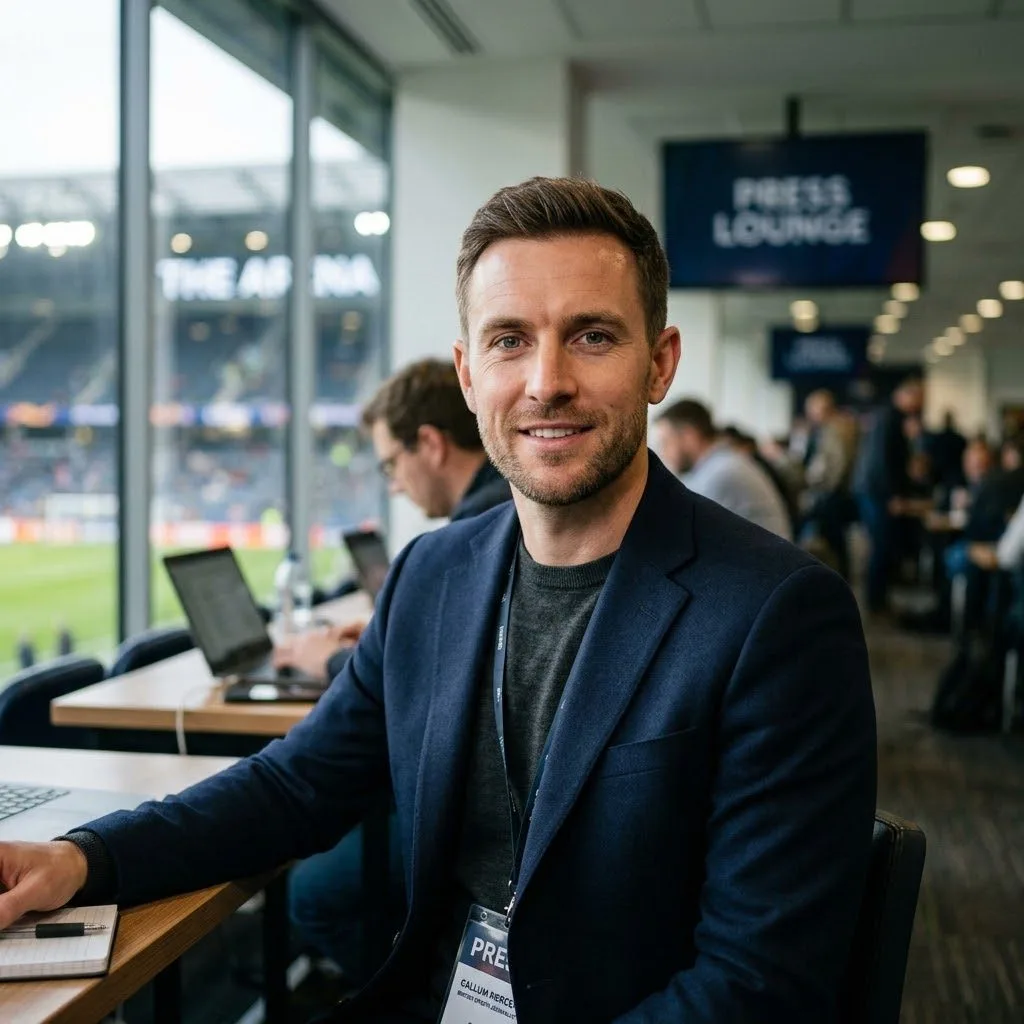
Callum Mercer is a football journalist and digital editor specializing in long-form features, human-interest narratives, and regulatory shifts across European and world football. With nearly a decade of experience tracking player journeys from lower-league academies to continental tournaments, Callum focuses on primary-source reporting, tactical context, and the untold stories behind the matchday headlines.