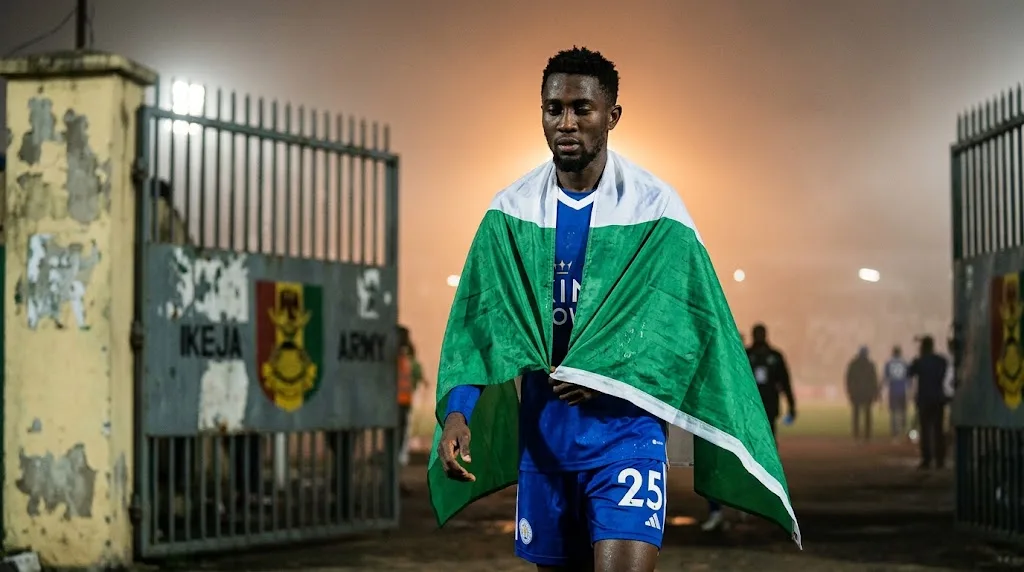
Wilfred Ndidi sat on the wooden bunk inside the military barracks, staring at an ankle that looked like an overripe mango. The skin around the joint was hot, purple, and swollen to twice its normal size after a rough afternoon match. Outside the bedroom window, the heavy thump of army boots hit the dry gravel path.
Panic raced through the teenager’s chest because his father was marching straight toward the front door. He quickly pulled two thick black school socks over the injured foot to hide the alarming bump. Every tiny movement sent sharp fire shooting up his leg, but he locked his jaw and did not make a sound.
The door swung open, and his father stepped into the room wearing his crisp Nigerian Army uniform. Ndidi looked up with a calm smile, pretending to read his school textbook while pressing his throbbing foot flat against the concrete floor. A single flinch would give away his secret, and inside this barracks home, breaking the rules meant harsh military punishment.
Life inside the Ikeja Military Cantonment in Lagos followed strict daily orders where rules could never be bent. Ndidi’s father had placed a total ban on football, viewing the game as a foolish distraction that ruined a young boy’s future. The soldier wanted his son to focus entirely on schoolbooks and become an engineer or an army officer who commanded real respect.
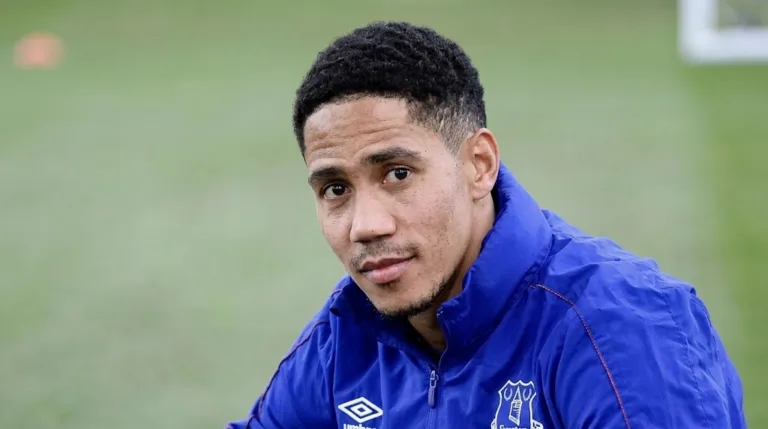
Many young athletes across the continent have faced serious danger just to chase their athletic dreams. In a similar struggle against a hostile environment, we saw Steven Pienaar dodging Westbury gang violence just to find a safe pitch in South Africa. For Ndidi, the greatest danger was not out on the streets, but waiting inside his own living room.
Wilfred could not put out the burning fire inside his heart no matter how many times his father warned him. Whenever his father left the base on morning inspection, the boy slipped out to play on dusty fields in second-hand boots bought from local street markets. Those cheap shoes were held together with hand-sewn thread and rubber glue, but they were his most prized possessions in the world.
The defining crisis arrived during a fierce youth tournament played under the burning Lagos sun. Ndidi had dropped deep into midfield to break up play, using his long reach to steal the ball away from older players. Late in the match, an opposing defender flew into a late challenge and crashed directly into the back of his right ankle.
A sickening pop echoed through his lower leg, followed by a rush of cold, blinding pain. He collapsed onto the hard dirt pitch, gripping the torn upper of his boot as tears rushed to his eyes. The coaches ran over to carry him to a clinic, but Ndidi begged them to leave him alone.
Going to the military clinic meant an official medical report would land straight on his father’s desk before sunset. That discovery would bring severe corporal punishment and the immediate burning of his playing gear. He forced himself upright, put all his weight on his left leg, and limped home before his father returned from work.
For the next three weeks, the young midfielder lived through constant, silent agony. He could not put his right heel on the floor, so he trained himself to walk on his tip-toes whenever anyone was watching. The bone was clearly cracked beneath the surface, yet he never uttered a single word of complaint.
His mother was the only person who figured out the truth after spotting his unnatural, stiff stride. Instead of alerting her strict husband, she quietly helped her son wrap the ankle in warm cloths and soothing herbal oils. She recognized the deep passion in her boy’s eyes and chose to protect his secret with complete silence.
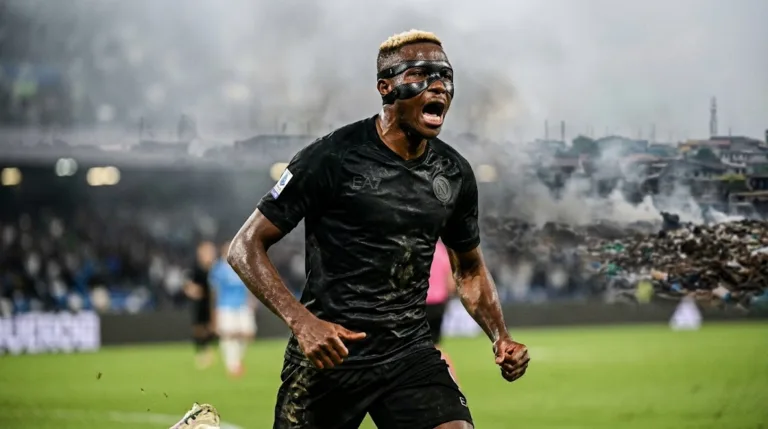
Young Nigerian footballers often carry heavy physical and emotional burdens before the wider world ever learns their names. That same relentless spirit powered Victor Osimhen’s rise from Lagos landfills on his way to conquering top European leagues. Ndidi shared that unbreakable resolve, refusing to let a cracked bone end his football journey before it truly started.
As soon as the worst of the swelling faded, Ndidi returned to the pitch with Nath Boys Academy in Lagos. He played with a quiet maturity that separated him from every other hopeful teenager on the field. Even with his injured ankle taped tightly, he intercepted dangerous passes and dictated the pace of the game with total poise.
Scouts from Belgian club KRC Genk soon traveled to Lagos to watch local youth matches, and Ndidi immediately caught their attention. They were stunned by his incredible tackling range, his tireless running, and his sharp positional awareness. The European club quickly offered him a professional trial that could change his entire family’s financial future forever.
When the contract documents arrived, an explosive argument shook the small barracks apartment. His father refused to sign the paperwork, calling the overseas offer a trap that would distract the boy from finishing school. The army veteran stood his ground, unwilling to trade a stable education for what he viewed as empty promises.
Respected community elders and trusted army friends had to step in to plead on Wilfred’s behalf. They told the soldier that his son possessed a rare gift that could not be disciplined out of him. With deep hesitation and a heavy heart, the soldier finally signed the travel forms and watched his son fly to Europe.
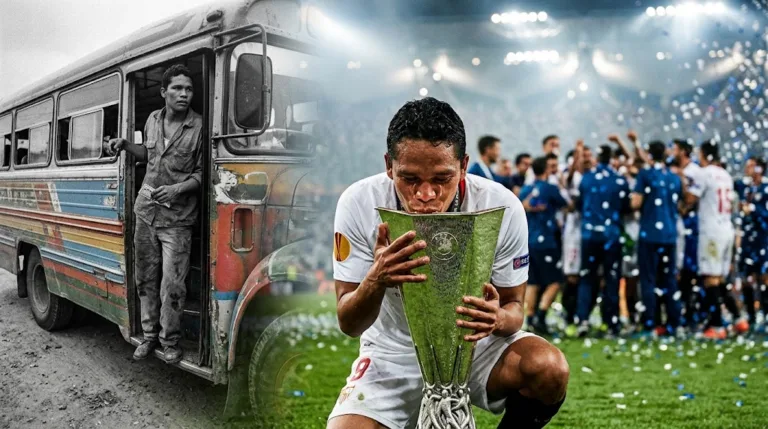
The mental strength to survive early trauma often creates the world’s most resilient midfield anchors. Supporters witnessed that same rare grit during Eduardo Camavinga rebuilding after a house fire before he became a champion in Spain. Ndidi brought that exact brand of barracks toughness to Belgium, throwing himself into every challenge without a trace of fear.
At Genk, Ndidi evolved into one of the most dominant defensive midfielders on the European continent. Premier League clubs took notice of his uncanny ability to break up attacks and protect his backline. In January 2017, Leicester City paid seventeen million pounds to bring the Nigerian enforcer to England.
On the fast pitches of the Premier League, the quiet boy from Ikeja became an indispensable defensive powerhouse. He consistently topped the league charts for successful tackles and interceptions, shutting down elite playmakers week after week. The fierce discipline once forced upon him inside the military camp had transformed into his greatest football weapon.
Back home in Lagos, the frosty tension between father and son finally melted into warm admiration. The soldier who once threatened to throw away football boots now sat proudly in his living room, wearing a blue Leicester City shirt. Whenever neighbors stopped by the house, the veteran beamed with pride and pointed to his boy dominating on international television.
Ndidi never forgot the hard lessons etched into his character on the rough pitches of the Ikeja cantonment. The teenager who once hid a fractured ankle under thick school socks proved that discipline and courage can outlast any obstacle. Every sliding tackle he wins today carries the quiet, unbreakable spirit of a boy who refused to let his dream die.

Callum Mercer is a football journalist and digital editor specializing in long-form features, human-interest narratives, and regulatory shifts across European and world football. With nearly a decade of experience tracking player journeys from lower-league academies to continental tournaments, Callum focuses on primary-source reporting, tactical context, and the untold stories behind the matchday headlines.