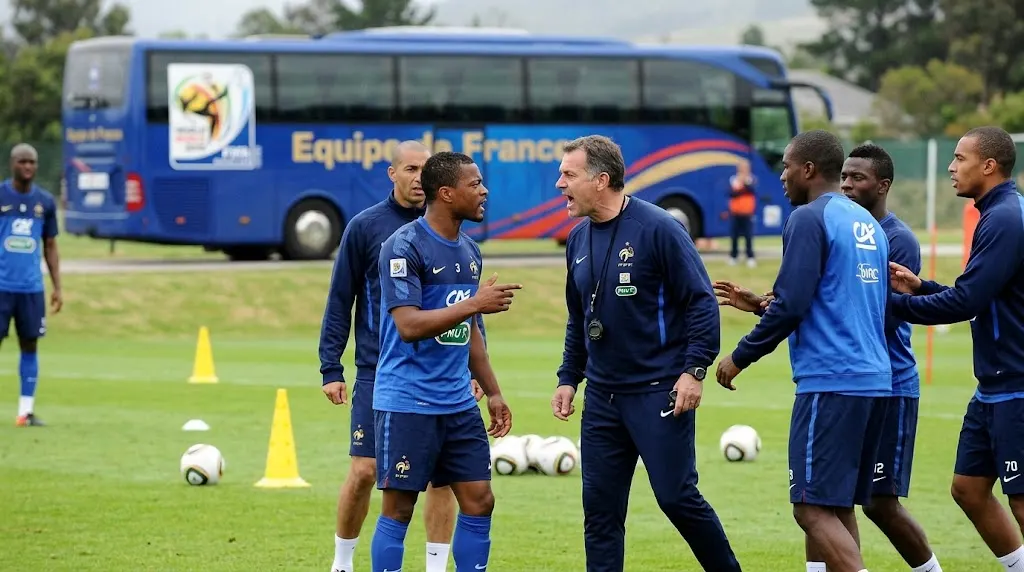
Fitness coach Robert Duverne hurled his stopwatch onto the grass and yelled in pure anger. Captain Patrice Evra stepped directly into his face, shouting back while teammates rushed to push them apart. Hundreds of South African school children watching from the bleachers fell completely silent.
Instead of practicing, twenty-three French national team players turned their backs on the pitch. They walked together toward their blue luxury team bus parked near the field gates. Once inside, they pulled down every window blind and shut the door on the world.
It was June 20, 2010, in the coastal town of Knysna, South Africa. France had not merely paused an ordinary training session before a vital game. Les Bleus had just launched the most shocking player strike in World Cup history.
The roots of this disaster started long before the squad landed in South Africa. France had only qualified after Thierry Henry handled the ball against Ireland in a tense playoff match. That unfair goal sent France to the tournament, but it left the squad feeling guilty and heavily criticized.
Manager Raymond Domenech was already losing control of his dressing room before kickoff in South Africa. He was known for trusting astrology signs instead of clear tactics, which annoyed veteran players. The squad stopped believing in his ideas, and team meetings often ended in cold silence.
Life at their Knysna base camp quickly turned bitter between the players and team leaders. The squad stayed at an expensive five-star hotel, causing politicians back home to call them spoiled millionaires. On the pitch, the team played without energy, stumbling to a dull 0-0 draw against Uruguay in their opening match.
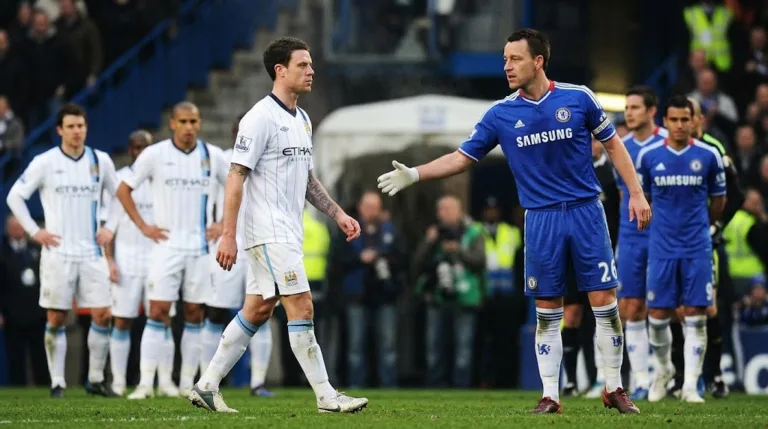
The French dressing room quickly split into hostile cliques. Much like the tension seen when Wayne Bridge refused John Terry’s handshake before a Premier League game, the French camp was divided by deep mistrust. Older stars argued with younger teammates over dining tables, passing choices, and team rules.
The final collapse began on June 17 in Polokwane during half-time against Mexico. France trailed 1-0, and Domenech criticized striker Nicolas Anelka for wandering out of position. Anelka lost his temper, stood up, and shouted a vulgar insult targeting the manager’s mother.
Domenech immediately benched Anelka for the second half, but France still lost the match 2-0. The ugly spat was supposed to stay private inside the locker room. Two days later, French newspaper L’Équipe printed the vulgar insult in giant letters across its front page.
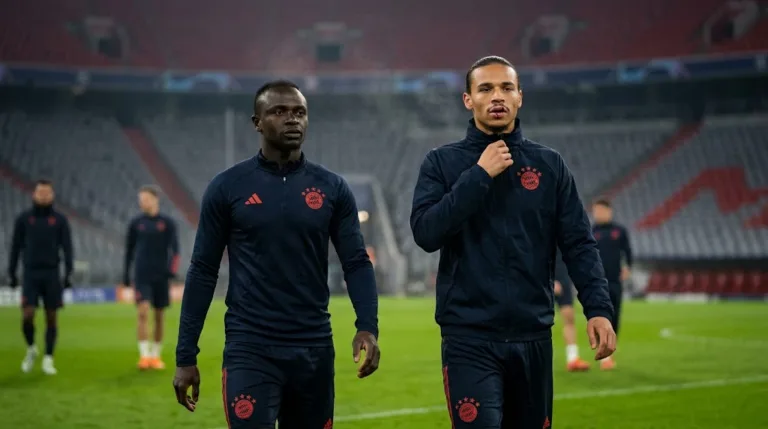
Dressing room arguments happen often in football, such as Sadio Mane punching Leroy Sane after a Champions League defeat. However, this French fight became a massive international headline within hours. The French Football Federation acted quickly by kicking Anelka out of the squad and sending him home.
The decision to expel Anelka drove the remaining players into open rebellion against their bosses. Captain Patrice Evra was not upset about Anelka’s rude language; he was furious that someone had leaked the story to the press. Evra told reporters that a traitor was inside their camp and promised to find the mole.
On Sunday afternoon, the squad arrived at their training field to execute a shocking plan. The players signed autographs for fans before fitness coach Robert Duverne blew his whistle to start sprinting drills. Evra refused to run, walked over to Duverne, and started a fierce shouting match.
Their face-to-face clash looked just as wild as Roberto Mancini clashing with Mario Balotelli during a Manchester City practice session. Duverne was so furious that he threw his stopwatch to the ground and walked away in disgust. The players then marched directly into their team bus and shut the doors.
Inside the bus, the players signed a written petition refusing to train for their country. Jean-Louis Valentin, the managing director of the French team, began crying on the pitch after watching the mutiny. Valentin quit his job on the spot, telling journalists he was totally disgusted by the squad’s behavior.
Minutes later, Raymond Domenech walked over to face the massive media crowd alone. Instead of punishing the rebel players, the humiliated manager unfolded their letter and read it aloud to the cameras. France had broadcast its own surrender to the entire world while the players hid behind drawn curtains.
Two days after the bus boycott, France played their final group game against hosts South Africa. Playing with zero unity, Les Bleus lost 2-1 and crashed out of the tournament in last place with just one point. Domenech finished his terrible tournament by refusing to shake hands with South Africa’s manager after the match.
The team returned to Paris as national villains who had humiliated their home country. French President Nicolas Sarkozy held an emergency government meeting to discuss the crisis. Sports Minister Roselyne Bachelot wept in parliament as she described how selfish millionaires had broken the hearts of young French fans.
The punishment for the mutiny was swift and historic. The French Football Federation banned Nicolas Anelka for 18 international matches, ending his national career forever. Captain Patrice Evra received a five-match ban, Franck Ribery was suspended for three games, and Jeremy Toulalan was banned for one match.
Raymond Domenech was fired immediately and never managed a major team again. New manager Laurent Blanc took over and bravely dropped all twenty-three World Cup players from his very first match. France needed to wipe the slate clean to rebuild trust with its angry public.
The Knysna team bus remains the greatest symbol of player mutiny in sports history. It proved that world-class talent means nothing if players lose respect for their shirt and each other. It took France eight long years, and a humble new team in 2018, to finally wash away the shame.
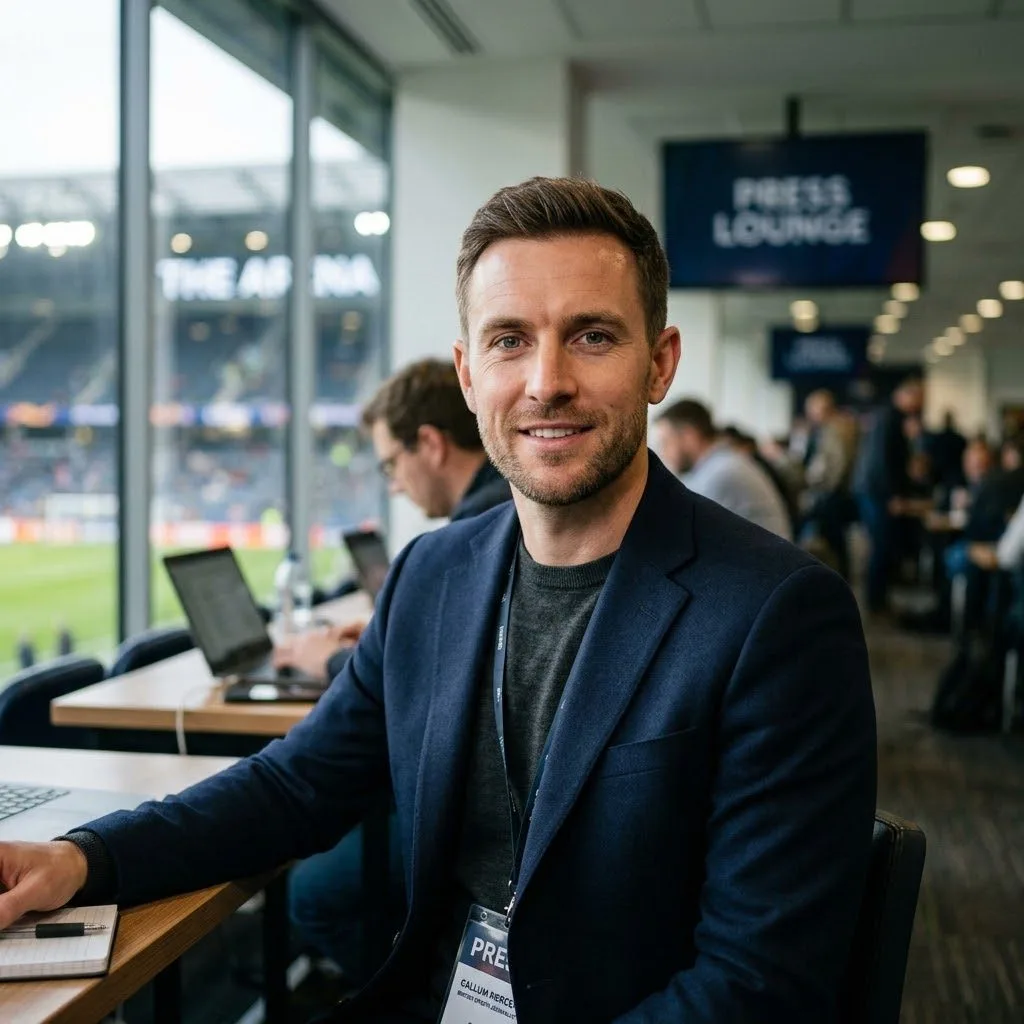
Callum Mercer is a football journalist and digital editor specializing in long-form features, human-interest narratives, and regulatory shifts across European and world football. With nearly a decade of experience tracking player journeys from lower-league academies to continental tournaments, Callum focuses on primary-source reporting, tactical context, and the untold stories behind the matchday headlines.